












































Introduction
Going to the gym should be a time for well-being, but for many it's a source of anxiety, embarrassment, or fear of judgment. More and more people are experiencing a phenomenon known as gym intimidation, the fear of working out in a fitness environment because they feel observed, out of place, or inadequately prepared.
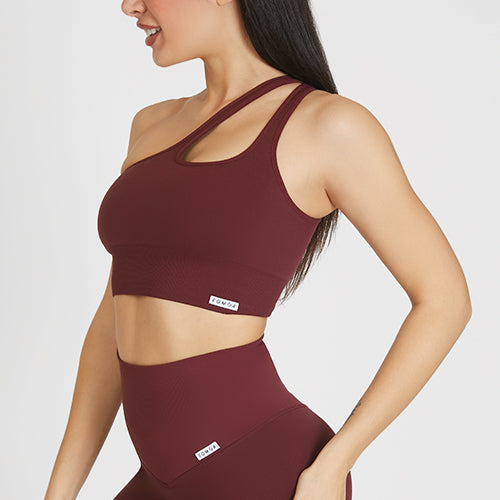
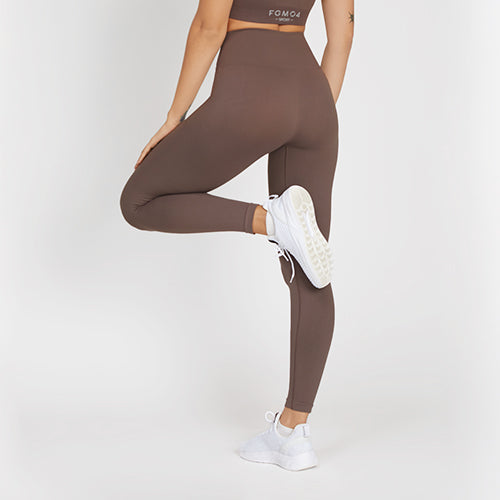
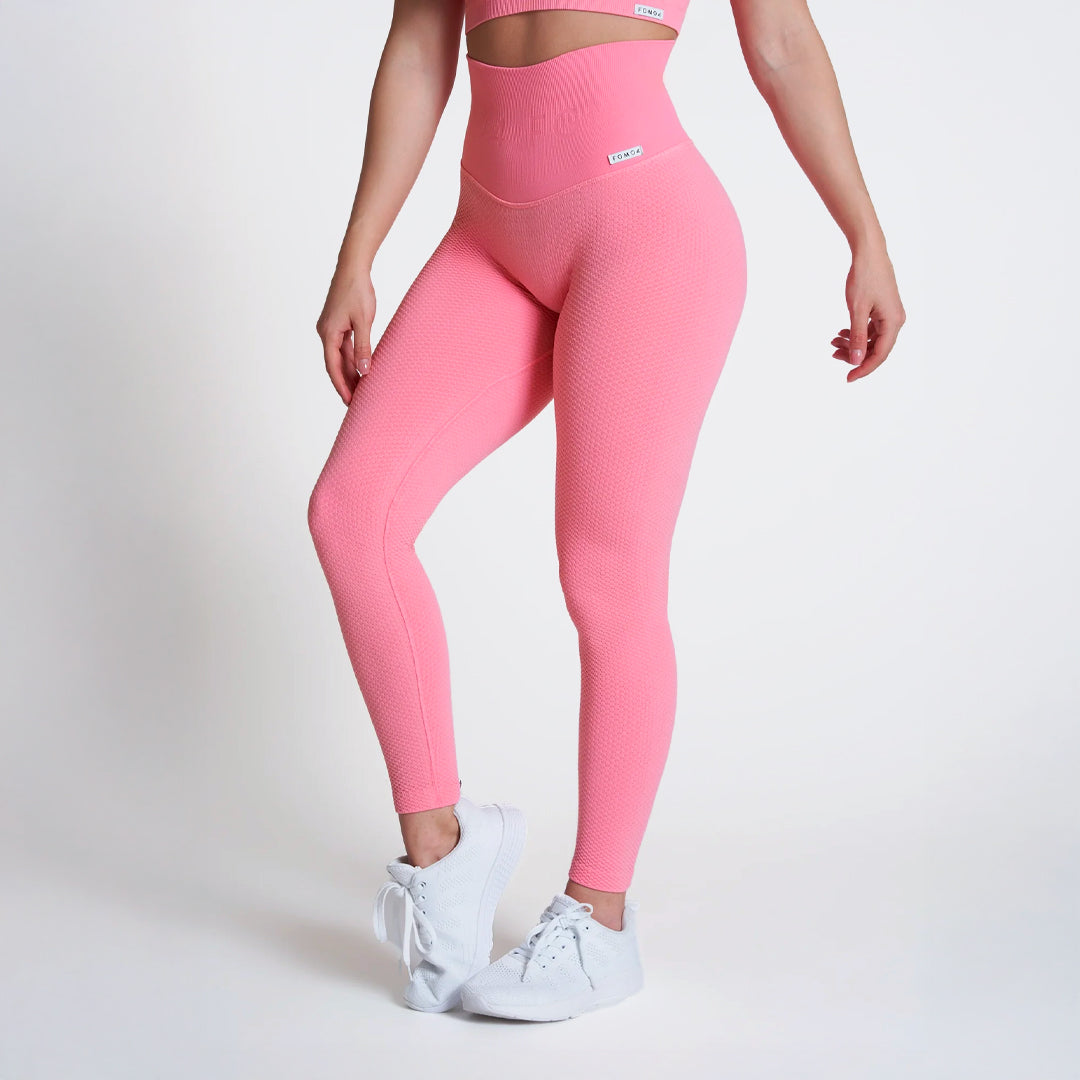
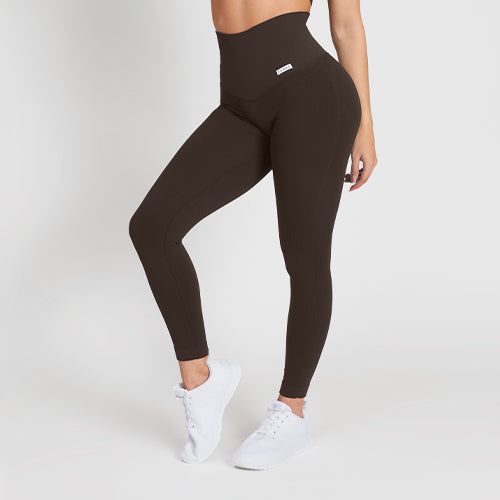
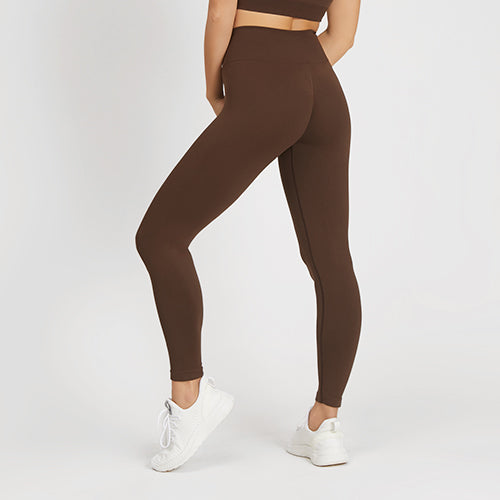
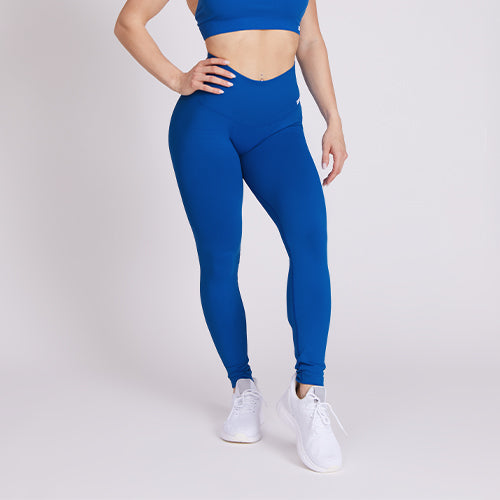
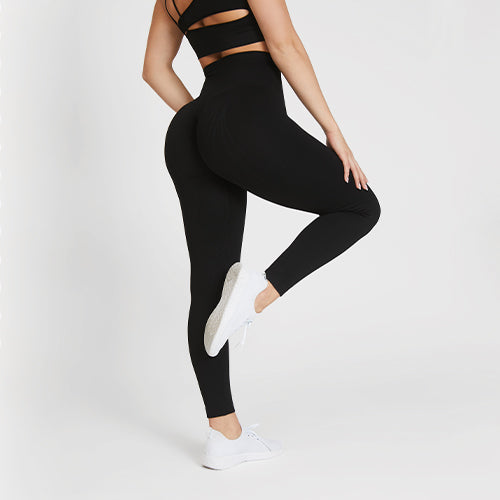
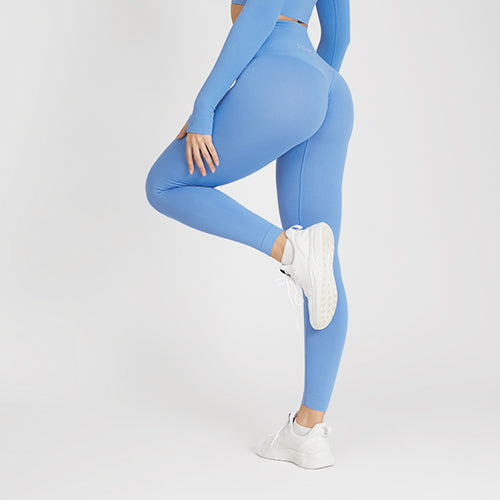
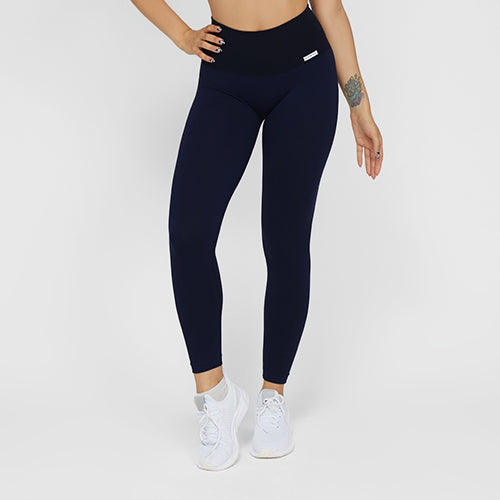
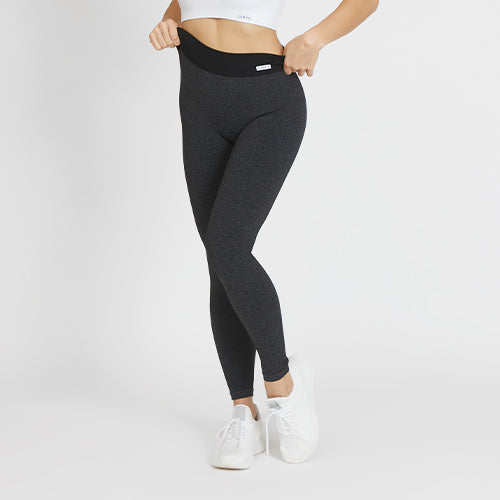
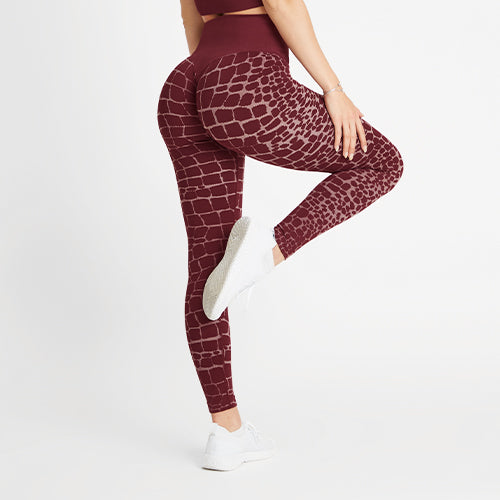
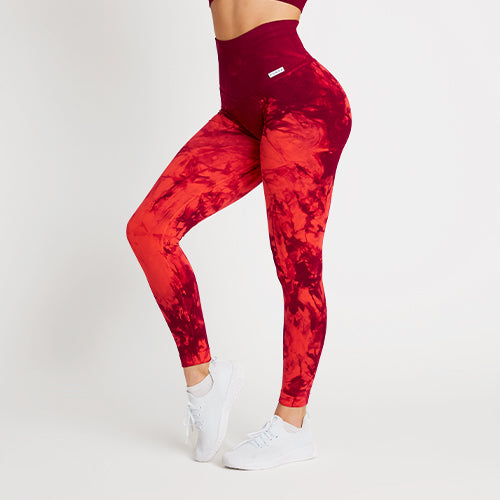
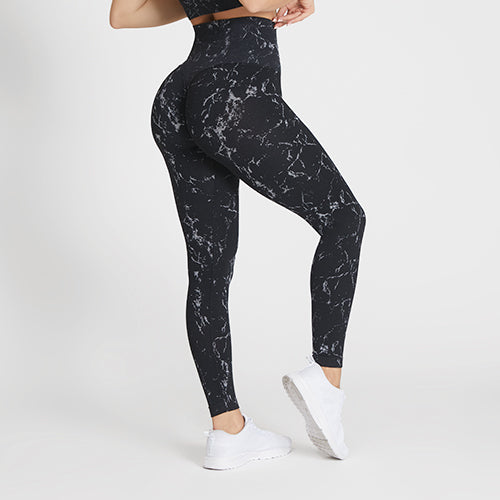
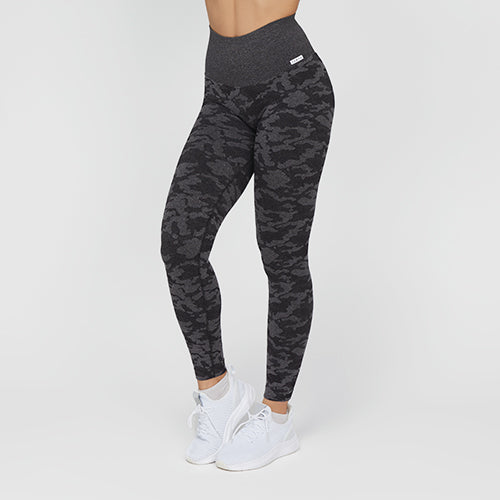
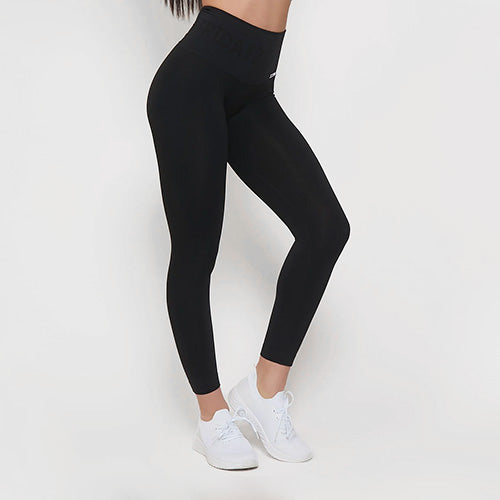
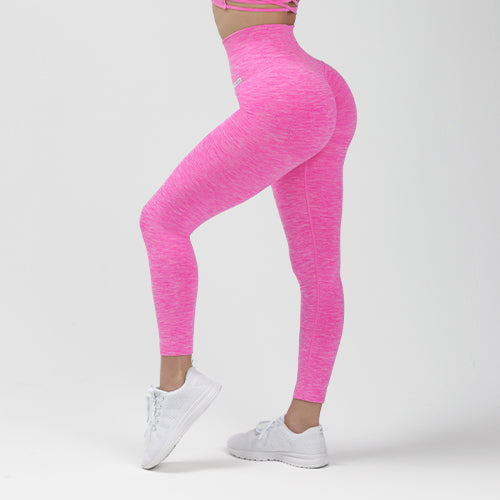
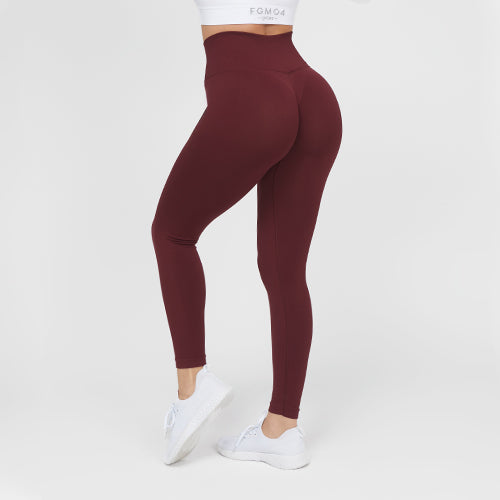
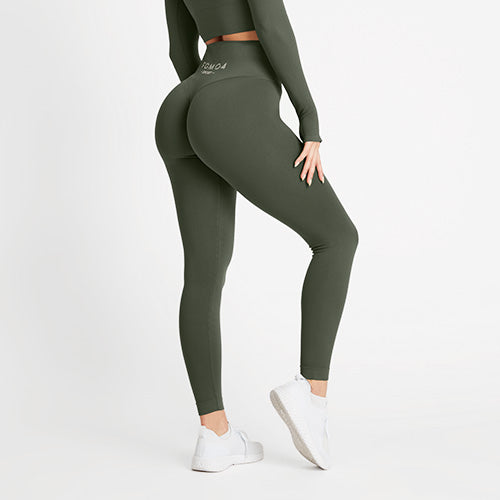
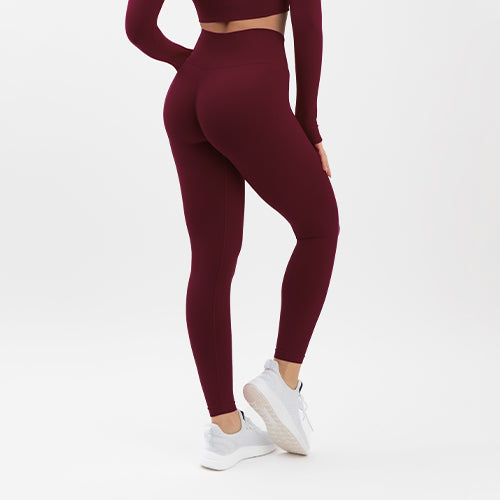
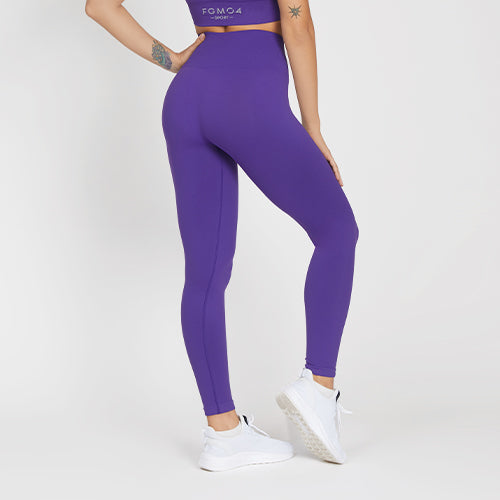
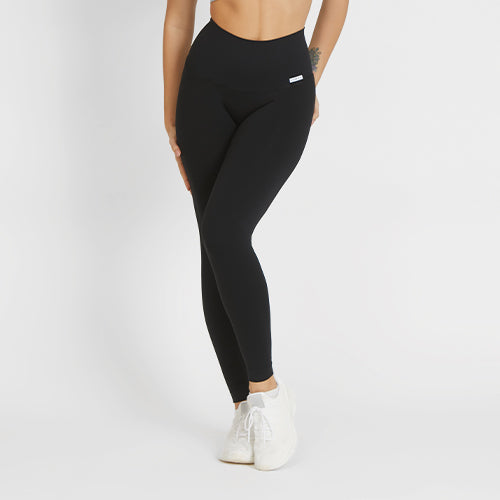
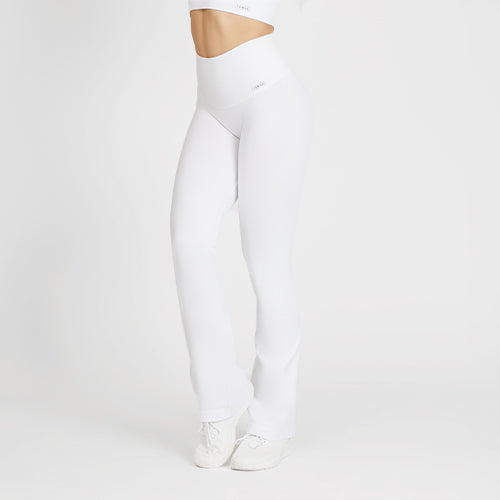
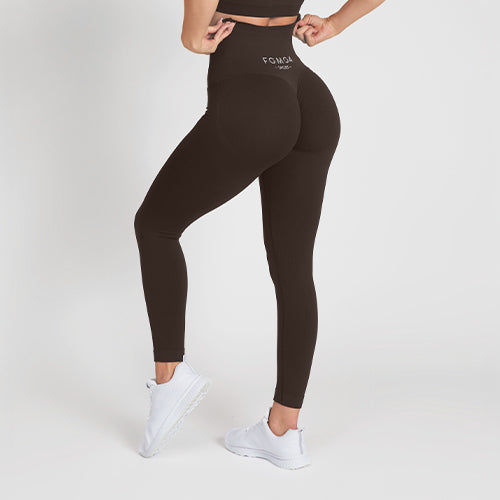
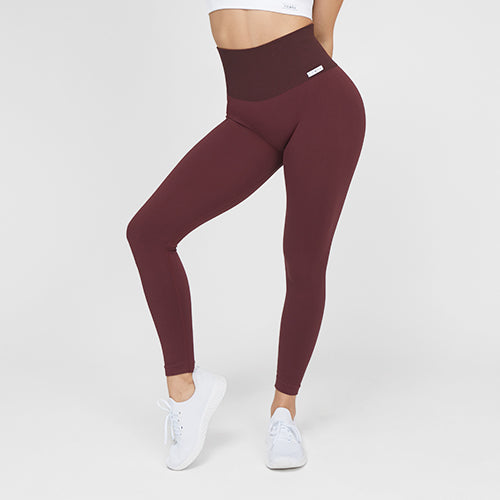
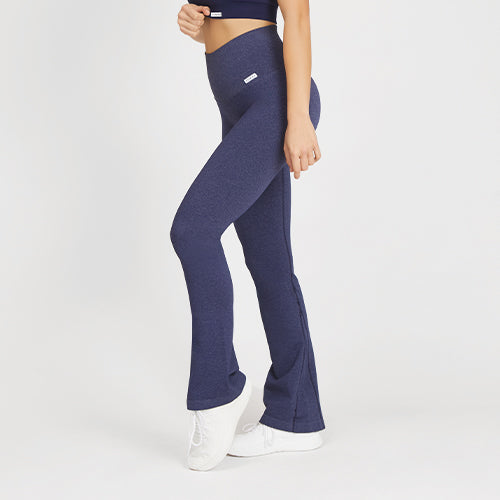
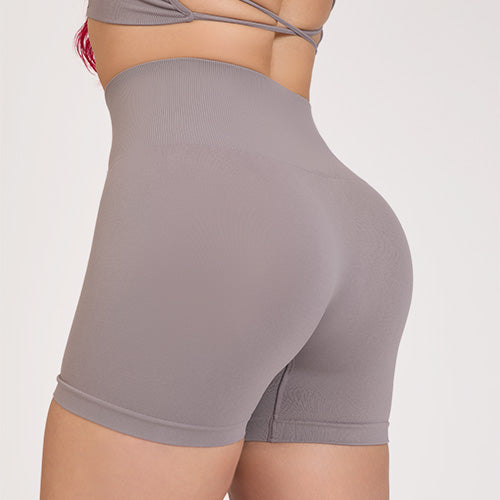
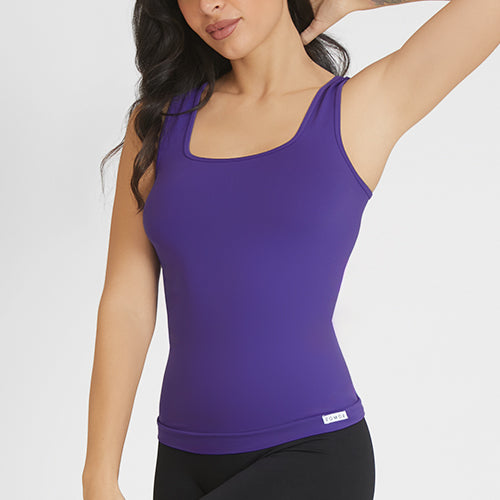
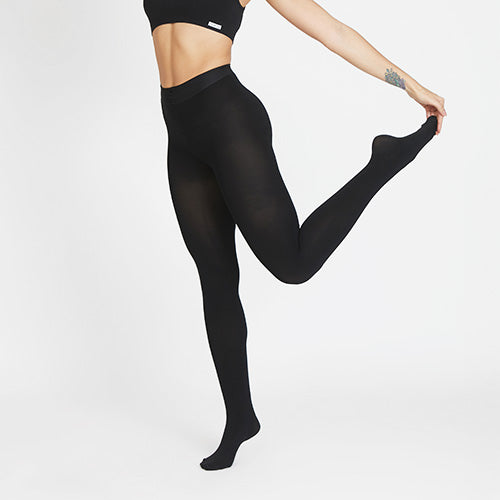
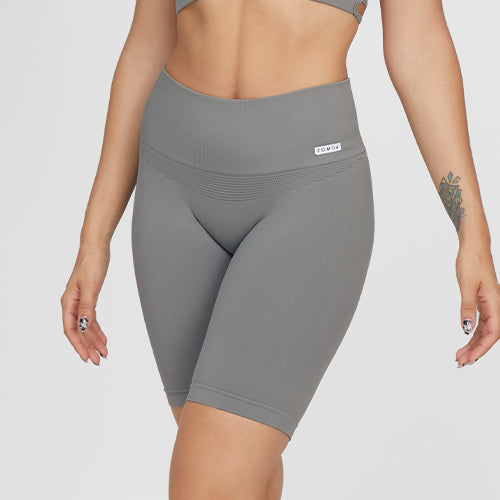
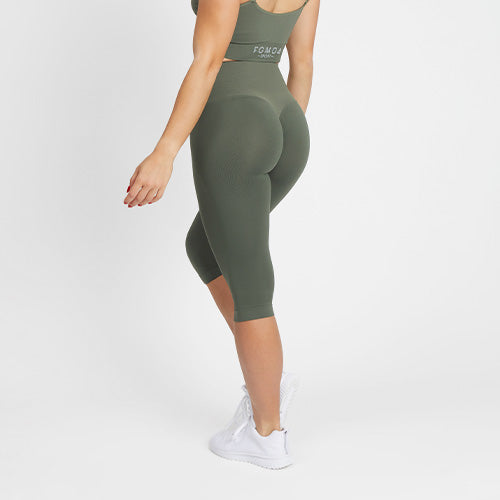
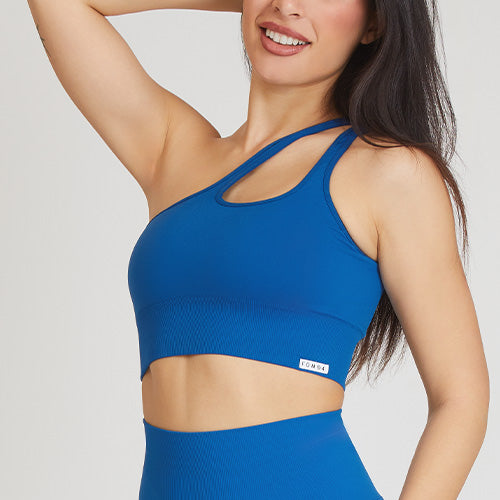
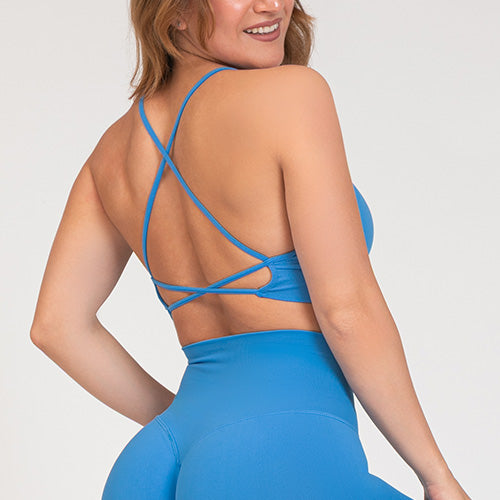
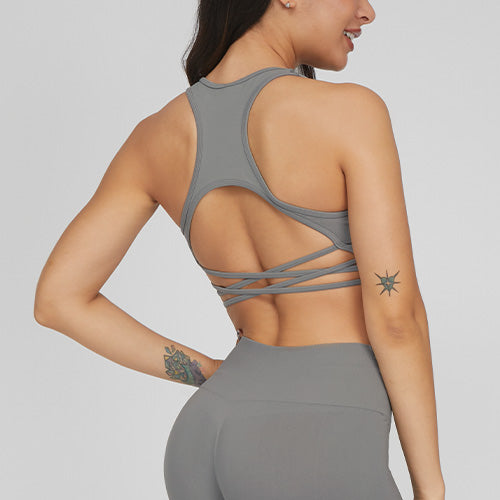
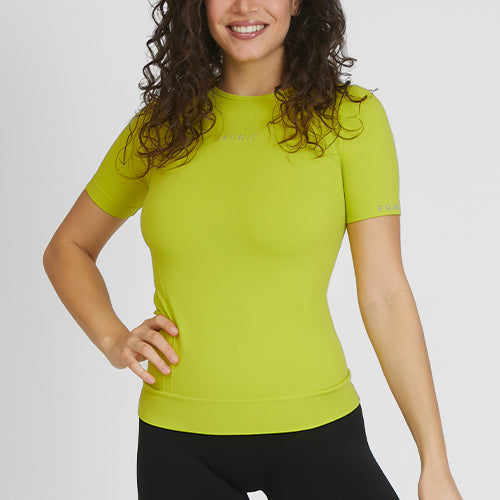
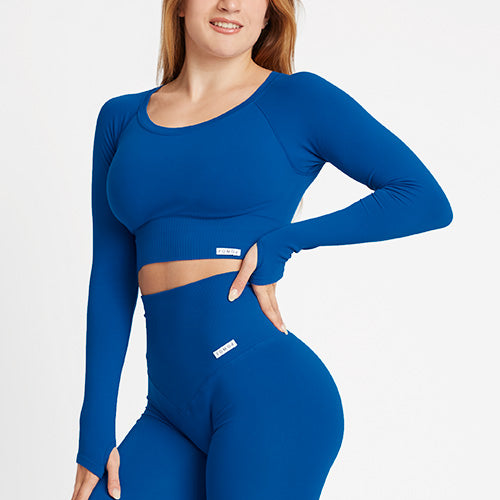
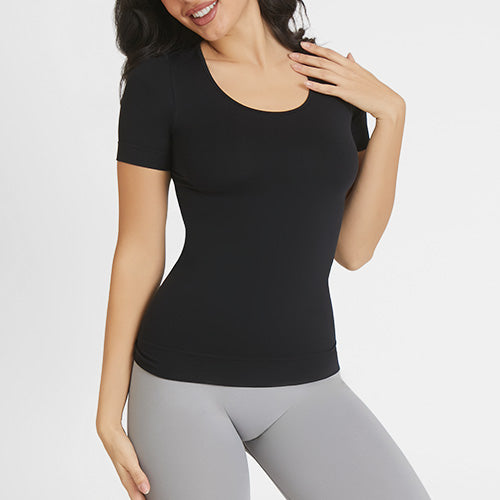
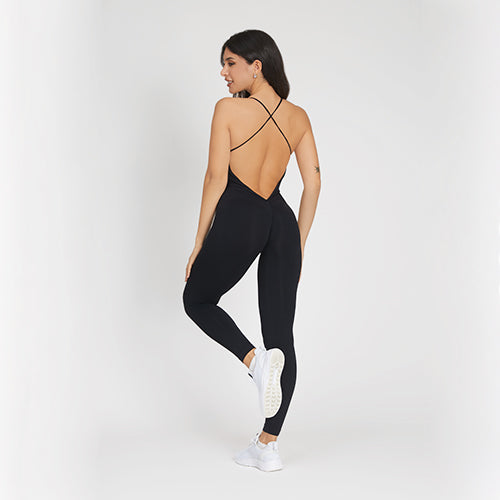
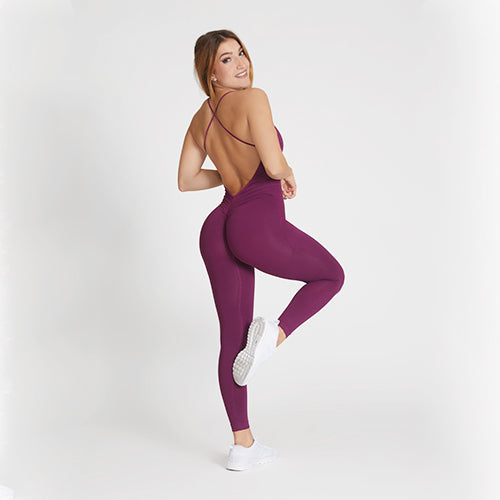
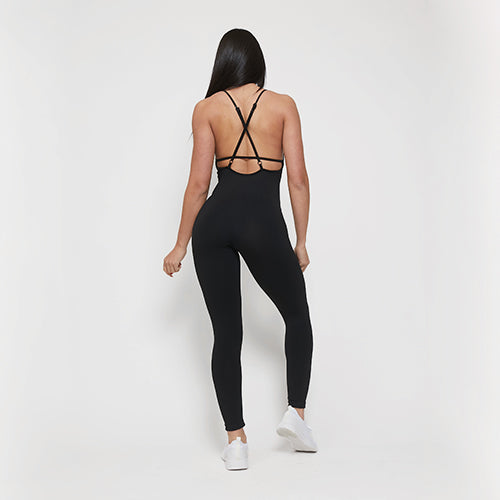
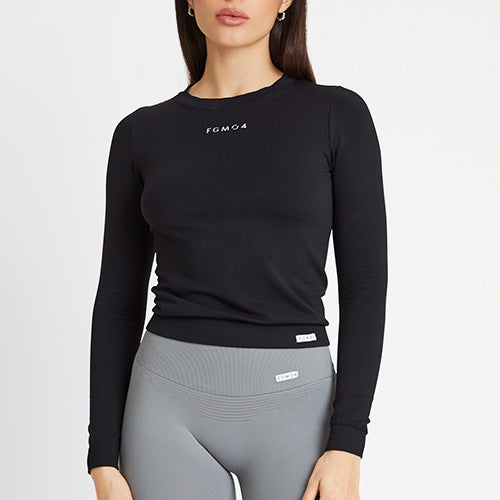
The perception we have of ourselves also depends on how we feel in our body and... what we wear. sportswear Comfortable, technical, and capable of enhancing the silhouette without constricting, it can immediately improve self-esteem and make it easier to face training with serenity.
In this article, we delve into what gym intimidation is, its psychological causes, the benefits of regular exercise, and, most importantly, practical strategies for overcoming it and rediscovering confidence in your abilities.
What is the phenomenon of gymtimidation?
The term gymtimidation comes from the English words "gym" and "intimidation" and describes a feeling of discomfort that manifests itself within fitness environments. It's not simply laziness or a lack of motivation, but a complex emotion that involves self-esteem, body image, and fear of social judgment. Those who experience gymtimidation may feel constantly observed, evaluated, or compared to unrealistic standards.
This phenomenon is much more widespread than you might think, and it doesn't just affect those new to the gym. Even well-trained people can experience it when they change environments, frequent crowded gyms, or take new classes. Gym intimidation cuts across age, gender, and experience levels, demonstrating how delicate the relationship with one's own body and the gaze of others can be.
The most common sensations associated with this emotional state include:
- fear of other people's judgment
- fear of not being “fit enough”
- difficulty using equipment
- constant comparison with those who seem more expert
- perception of being observed
Recognizing that these emotions are common and legitimate is the first step to normalizing them and beginning a journey of conscious overcoming them.
The psychological causes of fear in the gym
Fear of the gym never arises by chance, but is often rooted in deep psychological dynamics. Understanding the origins of these emotions is crucial to effectively addressing them and not passively enduring them. Gym intimidation is often the result of a combination of factors that feed off each other, creating a cycle of insecurity that is difficult to break without awareness.
One of the most significant factors is perceived social judgment. Many people believe that others are watching their every mistake or imperfection, when in reality, most people in the gym are focused on their workouts. Added to this is the constant comparison to unrealistic aesthetic standards, amplified by social media, which can make people feel inadequate even for no real reason.
Another important factor is insecurity related to lack of experience. Not knowing the exercises or how the machines work can generate embarrassment and a fear of making mistakes. This feeling is often reinforced by unrealistic expectations, such as the idea of having to be competent or high-performing right away.
Among the main psychological causes we find:
- social judgment
- constant comparison
- personal insecurity
- unrealistic expectations
- previous negative experiences
Becoming aware of these dynamics allows us to put them into perspective and transform the gym into a safer and more welcoming environment.
The benefits of a regular exercise routine
Overcoming gym intimidation isn't just about stepping foot in the gym, but also about allowing yourself the opportunity to experience the numerous physical and mental benefits of regular exercise. Regular exercise has a profound impact on overall well-being and contributes to improving the quality of life in many ways.
From a psychological perspective, exercise promotes the release of endorphins and serotonin, substances that help reduce stress and anxiety, naturally improving mood. This positive effect also impacts self-perception: seeing small improvements, such as increased strength or endurance, strengthens self-esteem and confidence in one's abilities.
A consistent routine also influences nighttime rest, helping regulate circadian rhythms and improve sleep quality. Furthermore, physical activity teaches discipline, perseverance, and resilience, skills that also have positive effects on daily life and social relationships.
Among the main benefits we find:
- reduction of stress and anxiety
- greater self-confidence
- better sleep quality
- personal growth
- new social opportunities
Knowing these benefits makes it easier to face initial fears and find genuine motivation to continue.

Strategies to overcome gym anxiety
Overcoming gym intimidation requires time, patience, and a gradual approach. There are no quick fixes, but rather a series of practical strategies that, when applied consistently, can reduce anxiety and increase personal confidence. The goal isn't to completely eliminate the discomfort, but to learn to manage it without letting it hold you back.
A crucial first step is to start without pressure, allowing yourself short, realistic workouts. Even a few minutes of activity can be enough to create a positive routine. Choosing less crowded times helps you become familiar with the space, while preparing a simple workout plan reduces uncertainty and increases your sense of control.
Mindful breathing is another valuable tool for calming the mind, as is exercising with others or seeking the help of an empathetic professional. Remembering that most people are self-absorbed helps reduce the fear of judgment.
The most effective strategies include:
- start gradually
- choose less crowded times
- prepare a simple plan
- take care of your breathing
- train with a friend
- rely on a personal trainer
- to put other people's judgments into perspective
Practical tips for feeling comfortable in the gym
Beyond mental work, there are practical measures that can make your gym experience more peaceful and enjoyable. Small daily gestures help reduce anxiety and make you feel more prepared, improving your relationship with your surroundings and with yourself.
1. Choose the right outfit for you
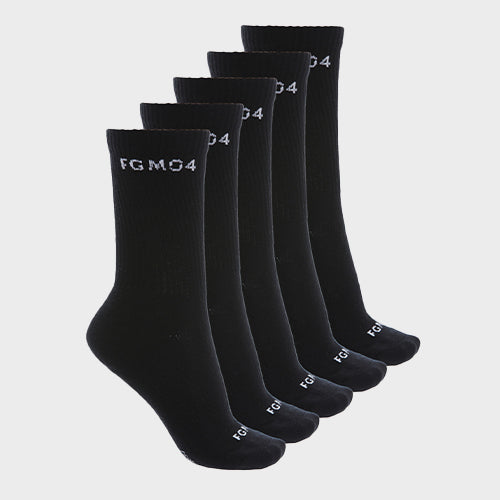
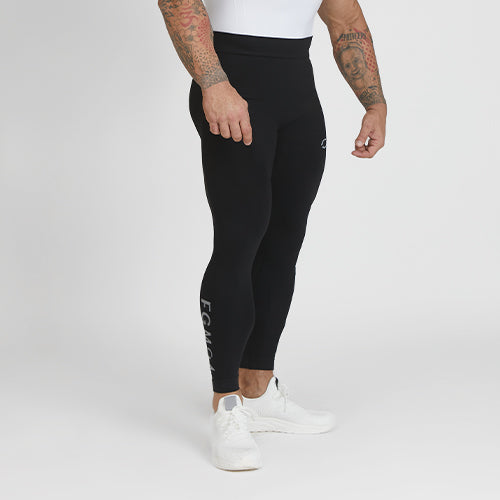
One of the most important aspects is the choice of the sportswearWearing comfortable, breathable clothing that fits you well without being restrictive can radically change your workout experience. Seamless fabrics, technical leggings, and tops with natural support promote comfort and freedom of movement, contributing to greater confidence.
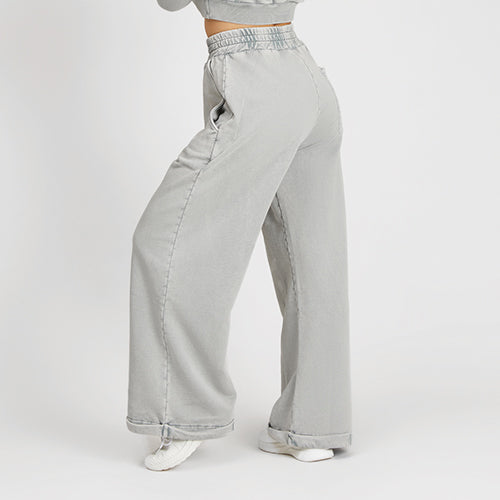
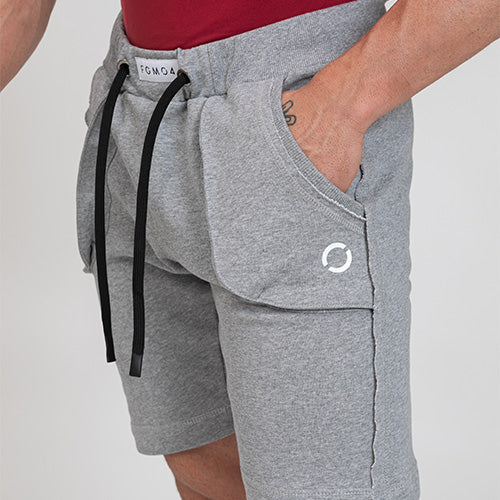
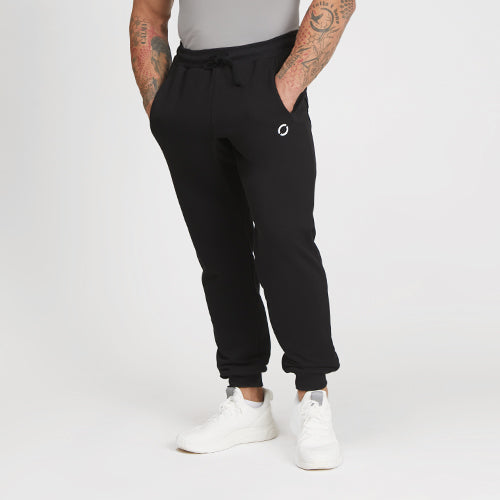
If you prefer to feel more covered in the early stages, cotton joggers and soft sweaters are perfect. The technical fabric shirts They promote perspiration and reduce the appearance of sweat stains, making them preferable, especially for high-intensity activities.
When you feel good in your clothes, the rest becomes easier: the right outfit increases confidence, comfort, and motivation.
Practical organization also has a significant impact: packing a bag with the essentials, knowing the gym spaces, and respecting the unwritten rules of the shared environment helps you feel more integrated and respected.
2. Bring the essentials with you
Organize your gym bag with what you really need: water bottle, towel and earphones, body wash, microfiber robe, slippers, deodorant, small toiletries, and a change of clothes. Being prepared reduces mental chaos and allows you to focus on your workout.
3. Know the spaces
Taking a quick tour of the facility before you start helps you orient yourself and move around more confidently.
4. Use headphones… consciously
A motivating playlist can help you isolate yourself from the noise and create the right atmosphere. However, listening to music on your phone can communicate to others that you don't want to be disturbed. If you'd like to meet new people, try turning on music in the living room every now and then: you'll remain more open to spontaneous conversation.
5. Reward yourself after your workout
Combining exercise with a pleasant activity—a hot shower, a cup of tea, a moment of relaxation—strengthens the positive bond with the gym.
6. Learn to manage glances
Many fears stem from the feeling of being constantly watched. But the reality is that most stares are casual: in the gym, everyone is focused on themselves.
7. Respect the unwritten rules of the gym
Feeling comfortable depends not only on your attitude, but also on how you behave in a shared environment. In the gym, there are some "unwritten rules" that allow everyone to work out peacefully and help create a positive atmosphere. Among the behaviors that are most likely to make you unpopular are:
-
Bad smells
A effective deodorant with 24/48 hour coverage, combined with breathable and antibacterial technical shirts, helps prevent unpleasant odors. It's a gesture of self-care and respect for others. -
Leaving tools wet with sweat
It's always good practice lay out your towel on benches and machines before use and clean any traces of sweat When you finish. Maintaining hygiene is essential in a shared space. -
The mess
Tools, weights, elastic bands or dumbbells they should be put back in their place after useThis keeps the environment tidy and allows everyone to train more smoothly and safely. -
Rudeness in using machines
Occupying a piece of equipment by placing a towel on it and then walking away is one of the quickest ways to create tension. If you need a break between sets, invite those who are waiting to take turns: it's a polite gesture that improves the general atmosphere and, why not, can become a good opportunity to socialize.
Likewise, avoid loud music or videosThe gym is a shared environment and everyone's peace and quiet must be maintained.
Adopting these good practices will help you feel more integrated, more respected, and more a part of your surroundings, further reducing initial anxiety.
Choosing the right environment for training
Not all gyms are created equal, and finding the right one for you can make a big difference.
1. Small and welcoming gyms
Perfect for those who prefer familiar and less crowded environments.
2. Gyms with guided courses
Ideal for those who need a clear structure and the constant guidance of an instructor. Furthermore, regular group training is a great way to meet new people and build positive relationships.
2. Large gyms with many guided classes at the same time
Perfect for those who tend to get bored easily, they offer a wide selection of activities and the option to change workouts even daily. This variety helps maintain motivation and makes it easier to find the workout that best suits your tastes and goals.
3. Female-only gyms
They can be useful for those who prefer a quieter environment and want to reduce initial embarrassment.
4. Home training as a first step
Perfect for those who experience a lot of anxiety: it allows you to gain confidence before moving on to a more structured context.
5. Evaluate the center's philosophy
Some environments are more performance-oriented, others more general well-being-oriented. Choose the one that feels closest to your goals.
Remember: the ideal place is the one where you feel truly at ease.

Success Stories: Experiences of Those Who Overcame Gymtimidation
Reading other people's experiences can be a powerful encouragement. Here are some examples:
1. Marco: from anxiety to stable routine
Marco felt out of place in the weight room. By starting at quieter times and following a simple program, he gained confidence and now trains consistently.
2. Giulia: the importance of the outfit
Giulia felt self-conscious about her body. By choosing more comfortable and flattering technical clothing, she immediately noticed a change in her approach to training.
3. Elisa: the support of the personal trainer
Thanks to an empathetic trainer, Elisa learned the correct technique and reduced her fear of making mistakes.
4. Luca: from home workouts to the gym
Luca started with home workouts to build confidence, gradually moving to the neighborhood gym. Today, he would never give up his workout.
These stories show that gym intimidation is not an insurmountable barrier, but a starting point on a path of personal growth.
FAQ
How long does it take for the body to get used to the gym?
It typically takes 3–6 weeks to notice improvements, such as increased strength, increased endurance, and improved coordination.
Can people with anxiety go to the gym?
Absolutely. Physical activity is often recommended to reduce anxiety by releasing endorphins. The important thing is to proceed gradually and choose welcoming environments.
What to do when you don't feel like working out?
It helps to set realistic goals, prepare your outfit the night before, and start in just 10 minutes. Motivation often comes after you start.
How to combat anxiety in sports?
Deep breathing, body awareness, well-structured routines, and—if necessary—the support of a trainer. Music can also be a valuable aid.
How to go to the gym?
Choose a space that's right for you, ask the instructors for a personalized schedule, wear comfortable clothing, and opt for less crowded times. Simplicity is the best starting point.
I don't feel like going to the gym: what should I do?
Focus on the benefits and reduce your workout to just a few minutes. Often, the problem isn't the physical activity itself, but choosing the right sport. Forcing yourself to do a workout you don't enjoy only leads to frustration and a lack of consistency.
It's best to start with activities you enjoy and can consistently do. Once you've established a routine, you can gradually increase the intensity or try new disciplines naturally, without forcing yourself.
Conclusion
Overcoming gym intimidation is a personal journey made up of small steps, awareness, and respect for your own pace. The gym isn't a place of judgment, but a space where everyone works to feel better about themselves, regardless of their starting level.
Choosing the right environment, listening to your body, wearing what makes you feel comfortable, and relying on targeted strategies can transform initial anxiety into a precious opportunity for growth.
Remember: What really matters isn't being perfect, but keeping trying. Every time you go to the gym, it's an act of courage and a step closer to becoming a stronger, more confident, and freer version of yourself.

Surprised handsome young sporty man wearing headband and bracelets putting hands on face - Stock image by stockking on Freepik

